• Greece

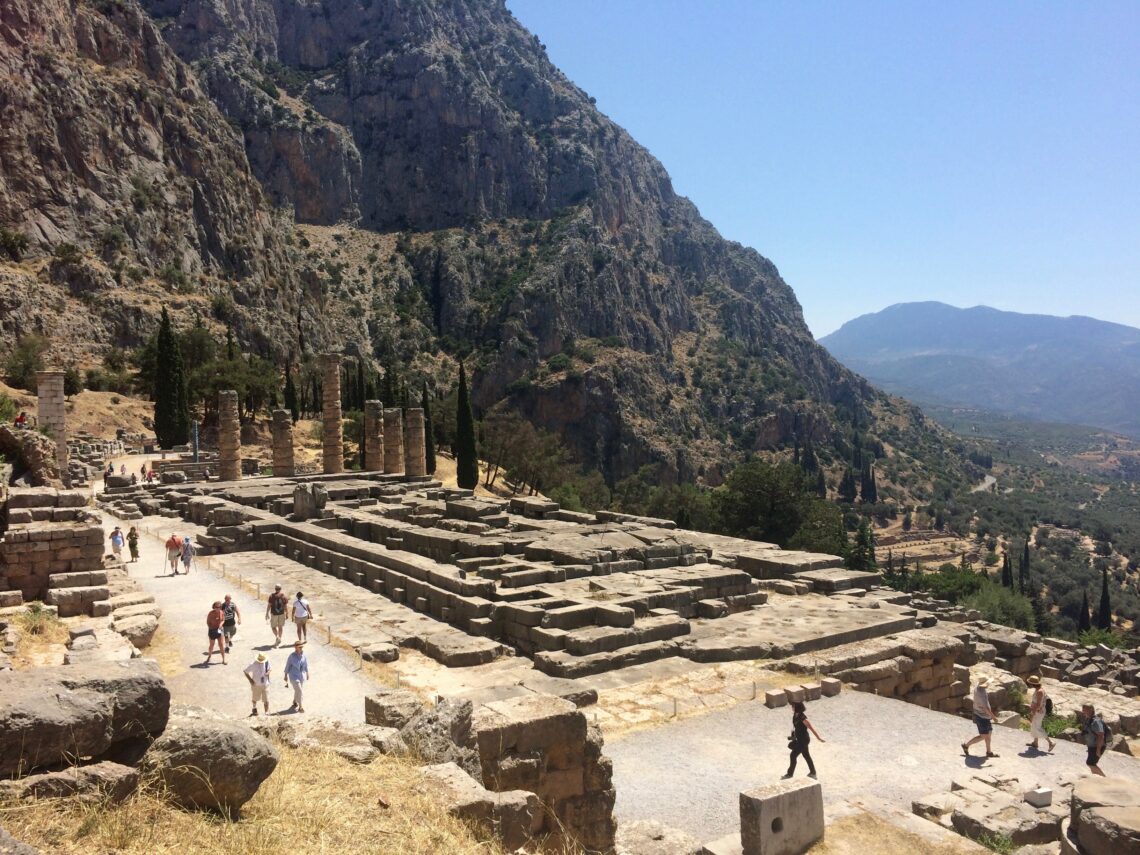
    Ancient Delphi

    The Greeks once considered Delphi, which took on its religious significance around 800 B.C, to be the center of the world.  It held the seat of the Oracle, whose decisions and predictions for individuals as well as the state significantly impacted ancient classical Greece.  Ancient Delphi was dedicated to the deity Apollo, the Delphic games (forerunner to the modern day Olympic Games), and the Oracle.  Delphi fell into ruins after multiple raids, a destructive earthquake, and much later, the rise of Christianity. Decline in the population continued to fall, resulting in complete abandonment in the 6th or 7th centuries. To see Ancient Delphi meant laying…
  • Greece

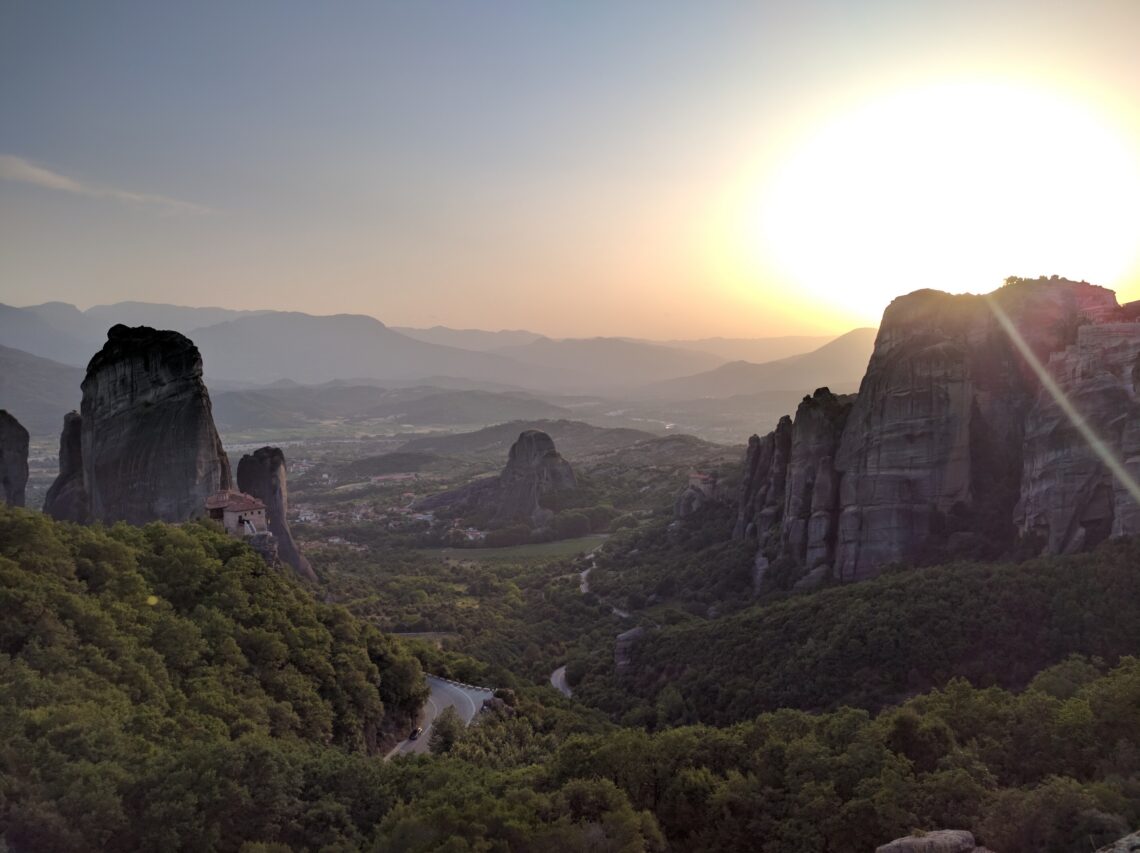
    Meteora

    Meteora is one of those places you’d never hear about until you come to Greece.  It’s quite strange that that’s the case, especially after you gaze across the valley of monastery-topped monoliths and become filled with the same spiritual, enigmatic feeling you sense upon taking in any other natural wonder of the world. There once were 20 monasteries dramatically perched atop the spectacular rock pinnacles, but now only 6 remain and are easily accessible with an entry fee of €3 per monastery. After having briefly glimpsed into one of the smaller monasteries, I realized that for us they would be more…

  • Albania

    Southern Albania

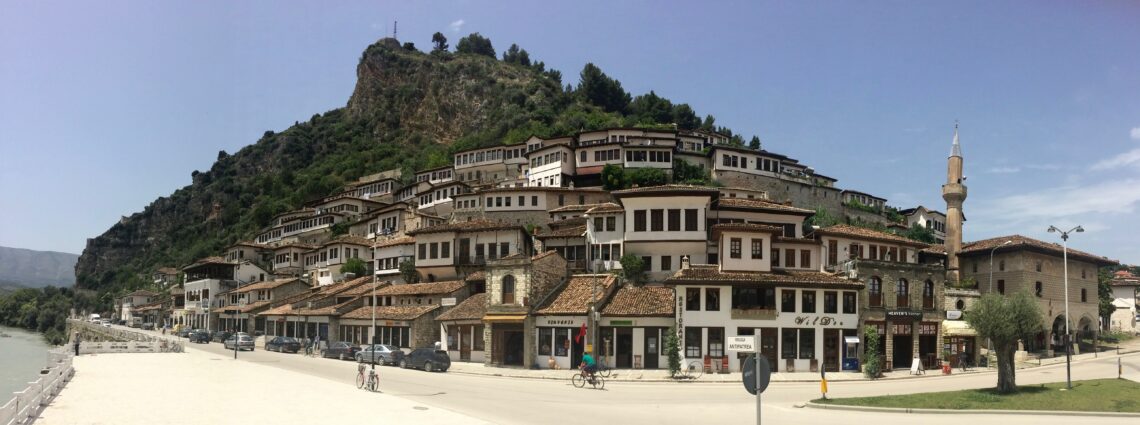
    Roadtripping along the Mediterranean from Spain to Greece meant we were going to see Southern Albania no matter what.  At first I planned to breeze through Albania straight to Greece, but then I remembered not to overestimate the conditions of Albania’s roads. Breaking up the drive to make it more manageable meant several stops along the way, and the stops included Berat, Ksamil, and the highway showcasing Albania’s most beautiful countryside. First stop: Berat, just a couple hour’s drive south of Tirana. A small town meant plenty of free parking.  Berat’s beautiful and notable feature is the cluster of white Ottoman…

  • Albania

    Shkoder and Tirana

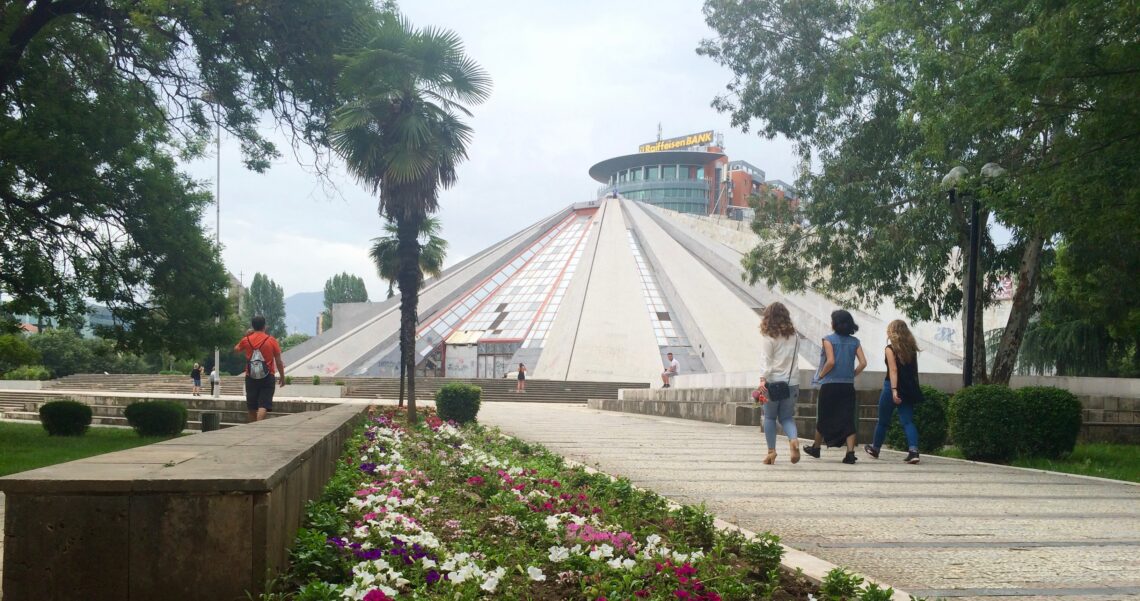
    I’ll be honest. Compared to other major cities in any European country, Shokoder and Tirana were quite abysmal, but I can’t blame a recent post-communist/post-totalitarian country for not offering much to the wandering traveller.  Sure, there were notable sites of interest, and I describe a few below. Albania’s northernmost major city, Shkoder, serves as a base for exploring the Albanian Alps.  Aside from being the typical dusty, congested Balkan city dotted with shops, mosques, and churches, its main attractions are the massive Shkodra Lake and the Rozafa Castle.  Perched atop a hill in the outskirts of the city, most of the castle remain in ruins…

  • Albania

    Lake Koman and the Albanian Alps

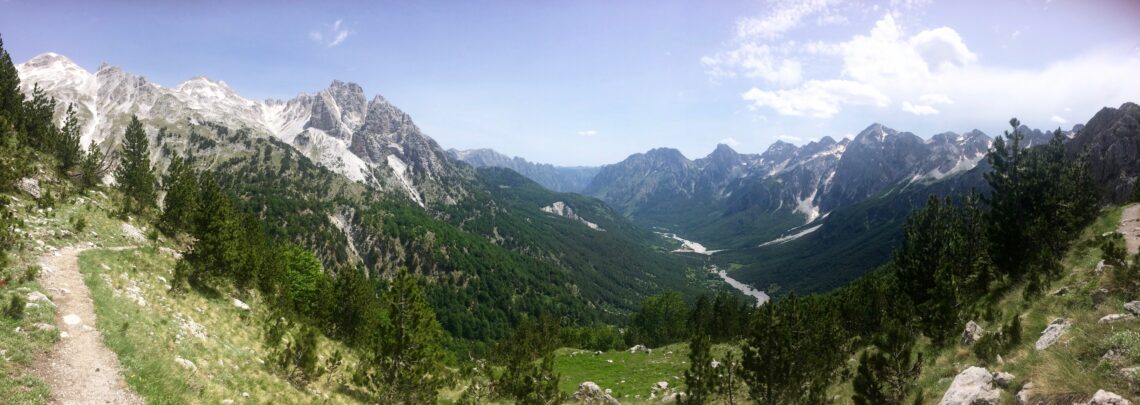
    When it comes to the Albanian Alps, it’s tough to say what is the highlight—the journey or the destination. Getting there entails a long day of transpotation: Shkoder -> Lake Koman -> Fierze -> Bajram Curri -> Valbona. Most people arrive to the mountains without a hitch. Us, not so much. For that reason, our amusing journey requires a story to be told. Shkoder, Albania’s northernmost major city, was the start and end point for this journey. Thankfully, Europe’s BEST campsite, Lake Shkodra Resort, was located only a 15-minute drive north of Shkoder. We didn’t have to stay in the eyesore…

  • Montenegro

    Kotor

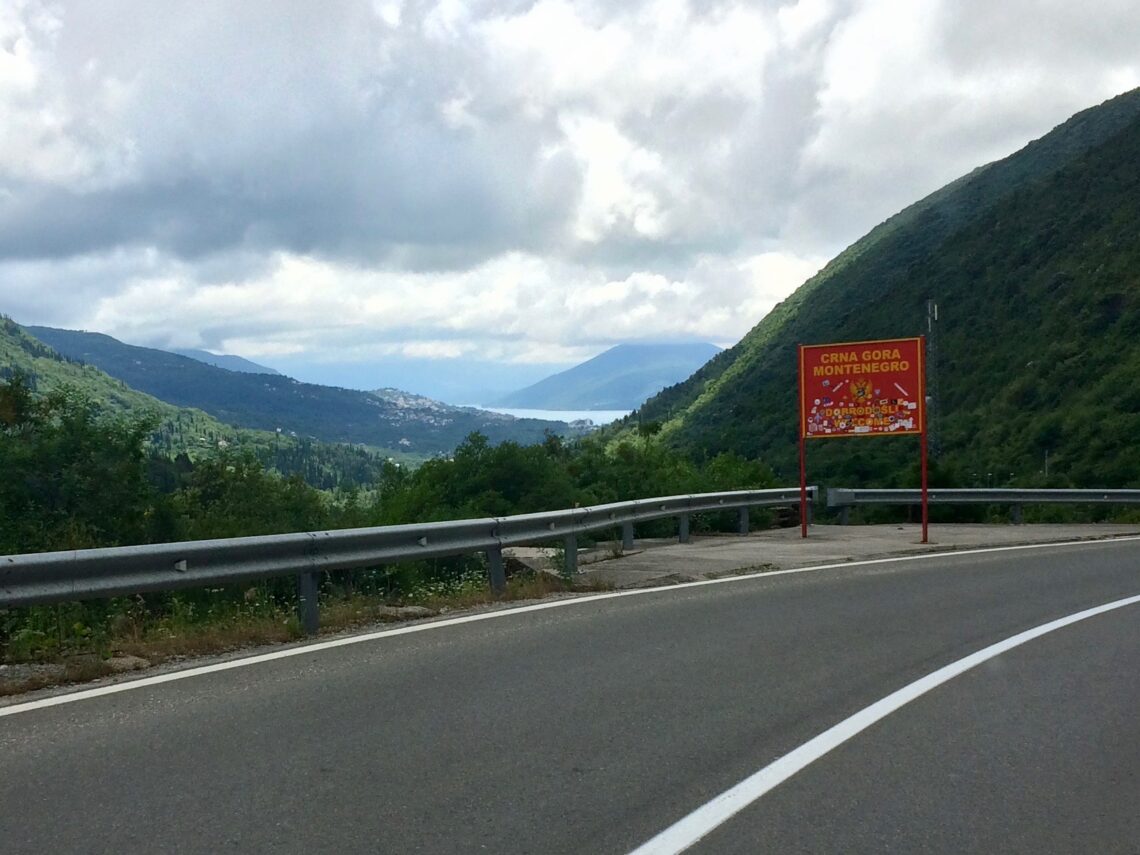
    During our passing through of Montenegro en route from Croatia to Albania, we made a stop in Montenegro’s popular town, Kotor.  Day trippers from cruise ships and Dubrovnik flooded this town, but its old town and classic hike up the Castle of San Giovanni were still worth seeing.  Although busy with tourists, Kotor was at least nothing compared to the Disneyland-like Dubrovnik, and its old town felt more authentic and lived in than the old town of Dubrovnik.  Because it was also Montenegro, prices for everything were substantially cheaper–YAY! First things first: crossing the border with a vehicle meant a mandatory…

  • Croatia

    Dubrovnik

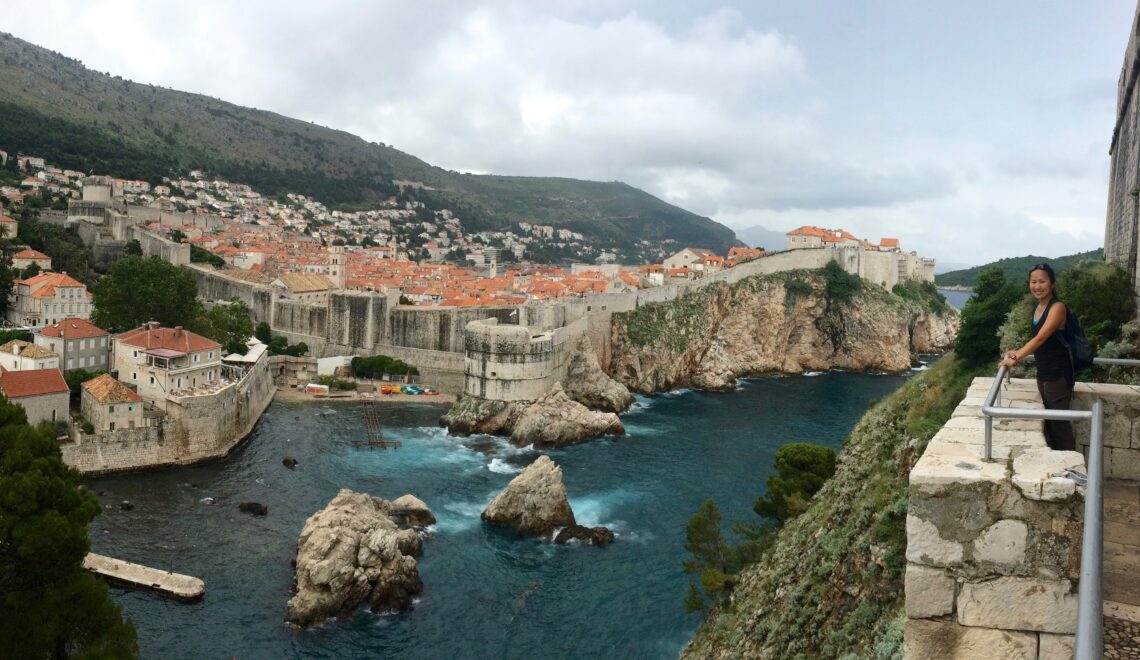
    There’s nothing new to say about the most glorified old city in Croatia (perhaps even in all of Europe!).  Absolutely stunning and breathtaking, but expensive and crowded.  Our day spent in Dubrovnik was on a rainy Monday in June and it was still too crowded for our liking.  We probably would have hated it in the high season of July or August. In order to avoid paying €40/night in Dubrovnik’s only campground, we stayed 10 km away in Mlini at Camping Kate for €18/night.  There were taxi boats to and from Mlini to Dubrovnik, but with the price of 50 HRK ($7.50) per…

  • Croatia

    Off the Beaten Path Croatia

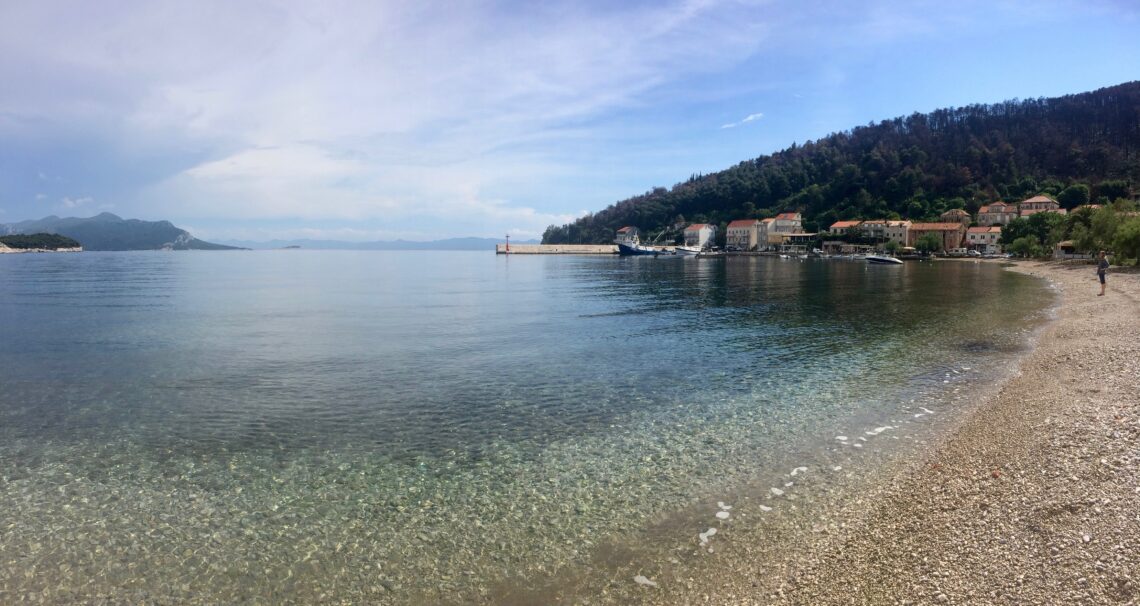
    Getting off the beaten path in Croatia is truly the best way to fall in love with Croatia. I’m not exaggerating.  Seriously.  After spending time in somewhat well-trodden Pula in the Istria peninsula and the super well-trodden Split, and knowing we’d conclude Croatia with the “finale” of Disneyland-like Dubrovnik, my goal was to see, enjoy, and relax in the lesser known, quaint sea-side villages of the Peljesac peninsula and Korcula Island.  In addition to my discovery, we also enjoyed tastier food, cheaper prices, and easier motorhome parking. It took much research and work to find these places but in the end, it made me…

  • Bosnia

    Mostar

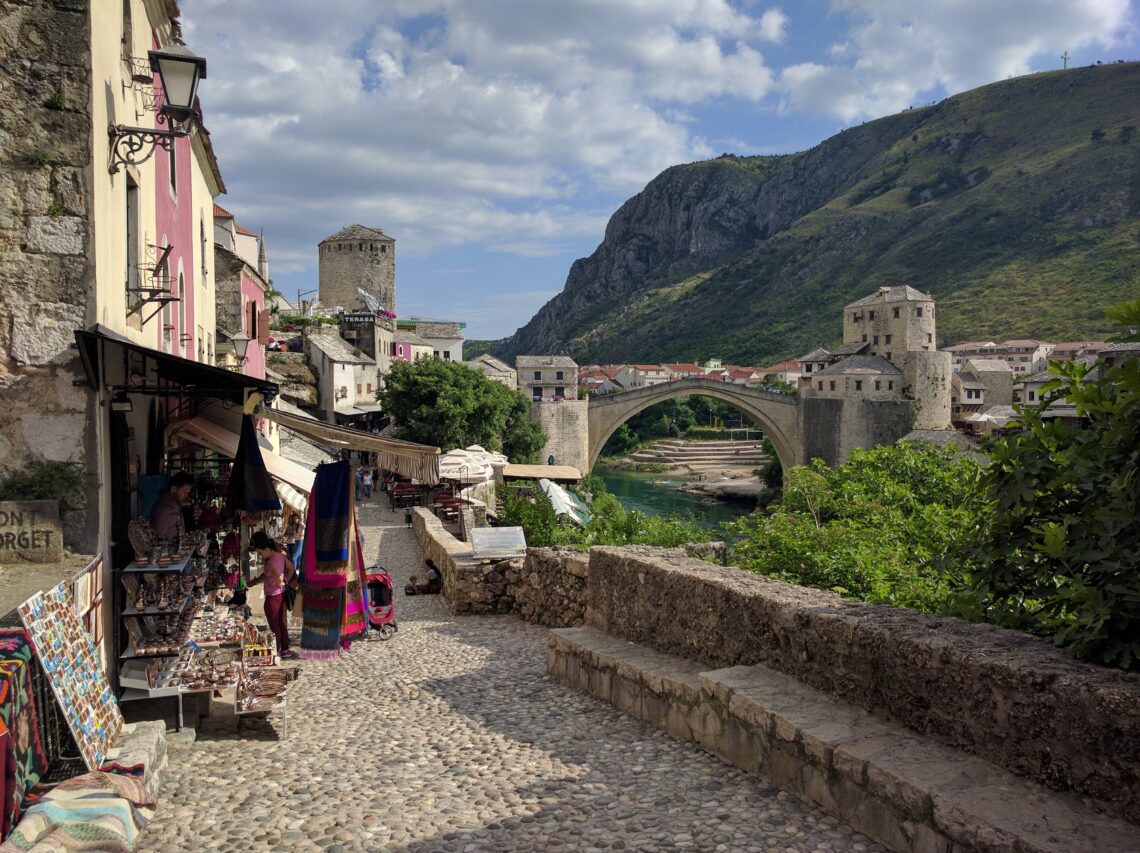
    When I read that Mostar was not only Bosnia’s most beautiful (and visited) city but also the most devastated city during the Bosnian Civil War, I knew I had to see it. I bookmarked it on my map, and found myself planning a day trip for Mostar several months later while traveling in Croatia. While I’m no history buff, I knew it was important to understand Bosnia’s recent grim history whose scars are still gaping in Mostar today.  I learned a lot, but I’m not going to lay out all the complicated details of the war in my travel blog.  Here it…

  • Croatia

    Split

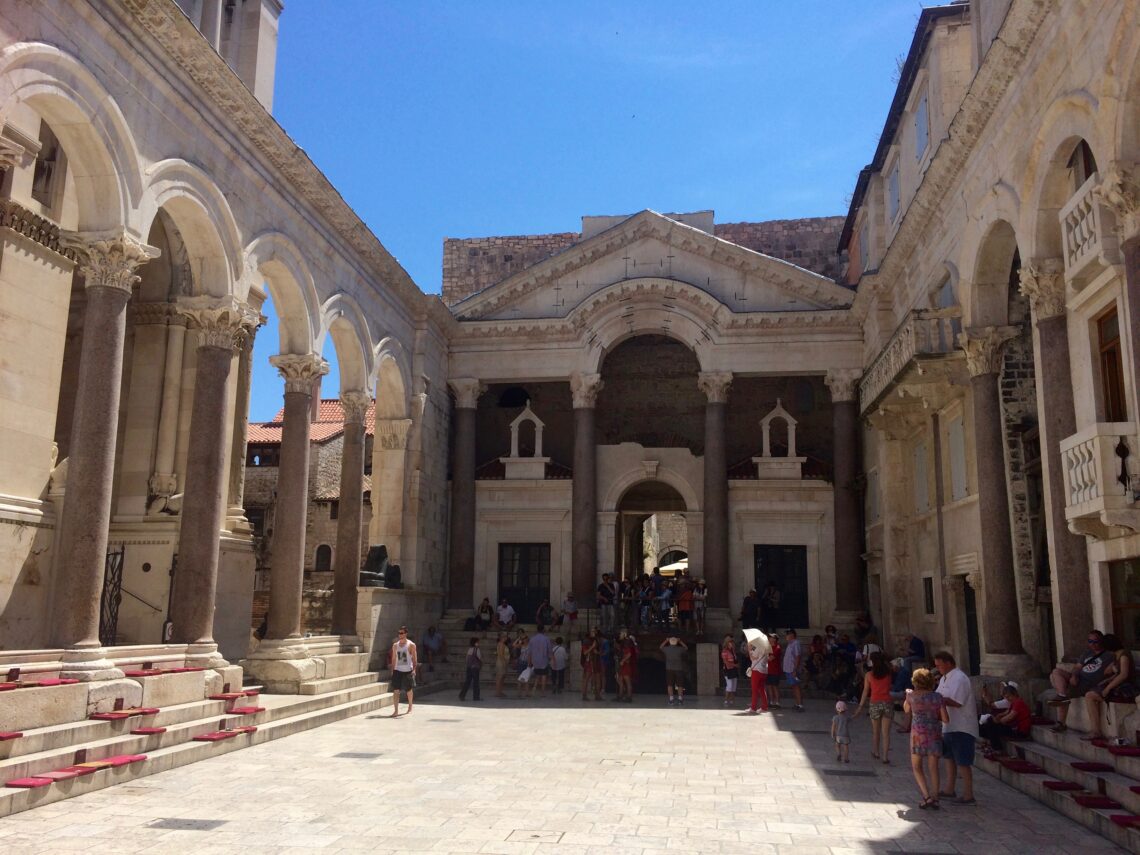
    I found Split to be somewhat pleasant but more so underwhelming, perhaps due to having roadtripped around Europe the past four months.  Croatia has been a hot tourist destination for a long time now, so it’s no surprise that everyone who comes to Croatia has to visit Croatia’s second largest city.  Daily cruise ships also add to the large tour groups. Amidst the mediocre public beach, seafront promenade, shopping, and typical city-life attractions, Split’s unique highlight is Diocletian’s Palace.  To call it a palace is a stretch.  Formerly a fortress, residence, and town, Diocletian’s Palace is now ruins and an open-air museum that is lined…